Codility Screen gives each candidate a realistic engineering task and scores the output of selected task types against test cases. Your engineers no longer write the test by hand or mark the automatically scored tasks.
Trusted by GitHub, Okta, Zalando, LSEG, SAP, Barclays.
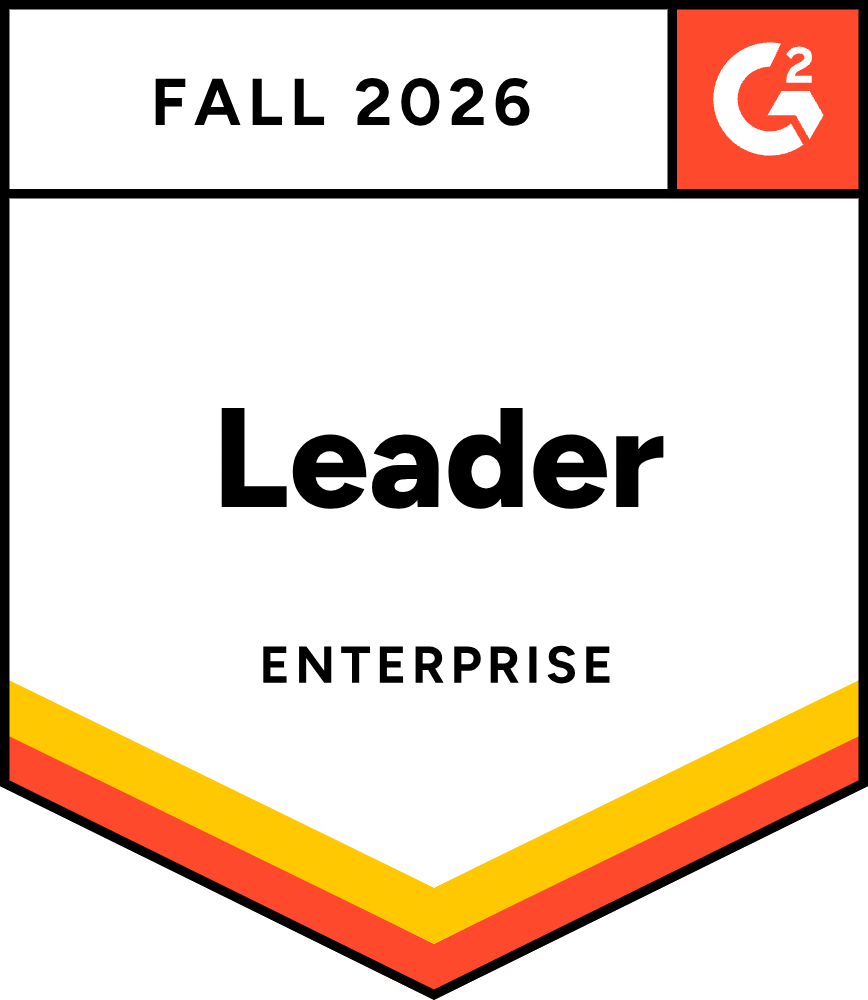
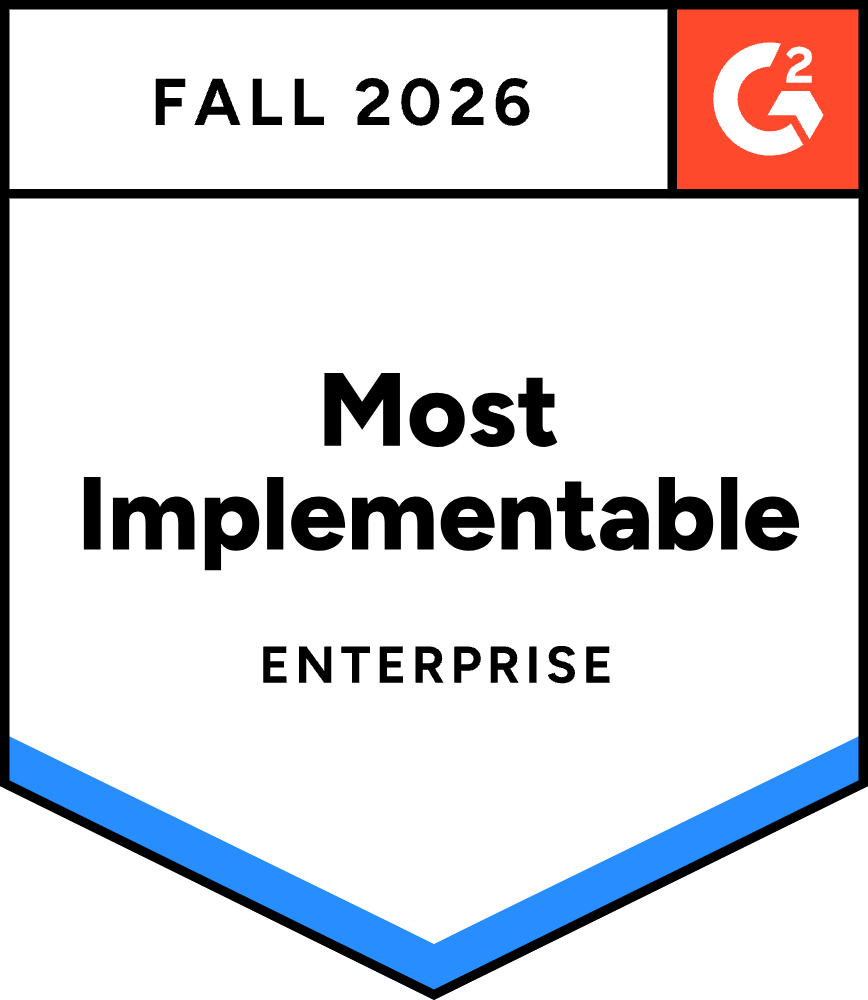
Recognized by G2 in Fall 2026
Codility is rated 4.6 out of 5 on G2 and ranked #1 for Enterprise Technical Skills Screening. Rankings come from verified customer reviews.
Today’s failing approach: in-house coding tests that your engineers build and mark
schedule
Failing approach 1
Engineer time
Your engineers write the test, keep it up to date and mark each submission by hand. Every new candidate adds marking time to an engineer’s week.
public
Failing approach 2
Leaked questions
If your in-house test reuses the same questions, a posted solution can give later candidates the answer before they start.
smart_toy
Failing approach 3
AI-generated answers
A candidate can paste a take-home task into an AI chat tool and submit the generated answer. The final answer alone does not show how the candidate produced the code.
extension_off
Failing approach 4
Tasks unlike the role
Your engineers can write an algorithm exercise faster than a realistic task. HackerRank’s 2025 Developer Skills Report found that 78% of developers say assessments don’t align with real-world tasks.
Replace your in-house coding test with validated work simulations
Codility Screen is a coding test platform for the screening stage of engineering hiring. Candidates complete realistic engineering tasks. You can include tasks built for a full VS Code environment. Your talent team then builds the shortlist for each role from the scored results.
Choose ready-made tasks instead of writing your own
You choose the tasks for each role from Codility’s library. The library covers technologies including React, Spring, Kubernetes and Terraform. Codility removes leaked tasks from the library.
Build with MCP also lets your engineers create tasks for parts of your stack that the library does not cover. An engineer describes the task to an AI coding assistant such as Claude, Cursor or GitHub Copilot.
The assistant then builds the task, its test cases and a reference solution. The engineer reviews the task before publishing it. Most tasks take about ten minutes from description to publication.
The difference: Codility maintains the task library, so your engineers no longer keep the test up to date.
Score submissions automatically against test cases
Codility automatically scores the output of selected task types, including coding, bug-fixing, SQL and front-end tasks. Codility’s scoring is deterministic, so the same output always earns the same score.
You set the cut score, the minimum overall score that your team expects for the role. Your talent team then sees how many candidates reached the cut score. Codility connects with applicant tracking systems (ATS), including Greenhouse, Lever, Workday and SmartRecruiters. Codility stores each result in the candidate’s ATS record. Automatically scored tasks need no manual marking by your engineers.
The difference: Automatically scored tasks use the same scoring rules for every candidate.
Review how each candidate built the solution
Codility stores the submitted code and the test-case breakdown with each result, for the period set in your retention policy. Your engineers can open the Code Evolution Chart, a timeline of how the code changed during the assessment.
Codility can also collect integrity signals, which give reviewers evidence about how the candidate produced the submission. The signals include paste events, similarity checks against other candidates and identity verification.
You decide whether candidates can use the AI Assistant in each assessment. Where the AI Assistant is enabled, every candidate interaction is captured as reviewable AI activity.
The difference: Your reviewers see how the candidate reached the answer, in addition to the answer itself.
How do I lock a row for update in Spring Data JPA?
auto_awesomeResponse00:38
Suggested a pessimistic write lock on the repository query method.
auto_awesomePrompt01:14
Why would a reservation expiry test fail with a fixed clock?
View full transcript
Questions about coding test platforms
What is a coding test platform?
A coding test platform gives candidates programming tasks and records their solutions. Codility Screen scores selected task types against test cases. An online coding test platform also stores the results for your hiring team. Talent teams use a coding test platform in place of tests that engineers write and mark by hand.
What should replace take-home coding tests that candidates solve with AI?
Replace them with realistic tasks on a platform that records how each candidate built the solution. Codility records a timeline of each candidate’s code changes. Codility also tests every task in its library for AI solvability. If your engineers use AI on the job, you can enable the AI Assistant. Reviewers then see every candidate interaction with the AI Assistant.
Should we build our own coding tests or buy a platform?
Buy a platform if your engineers spend their time writing, maintaining and marking tests. A platform supplies maintained tasks and scores selected task types automatically. Your engineers can review the results before deciding who advances. They can still create tasks for your own stack.
Does Codility make automated hiring decisions?
No. A person on your team decides who advances. Codility does not use AI or machine learning to make automated employment decisions.
Do candidates find the assessment fair?
Yes. Codility research found that 91% of surveyed candidates say the assessment content is fair. Source: Codility post-assessment candidate feedback survey, October 2025 to April 2026.
Replace your in-house test on one engineering role_
Bring one engineering role that your team currently tests in-house. Codility will show you the tasks for that role and how your team would review the scored results.
Request a free trial
One engineering role, the tasks, the scored results.
"*" indicates required fields
By clicking “Accept All Cookies”, you agree to the storing of cookies on your device to enhance site navigation, analyze site usage, and assist in our marketing efforts.
Privacy Preference Center
When you visit any website, it may store or retrieve information on your browser, mostly in the form of cookies. This information might be about you, your preferences or your device and is mostly used to make the site work as you expect it to. The information does not usually directly identify you, but it can give you a more personalized web experience. Because we respect your right to privacy, you can choose not to allow some types of cookies. Click on the different category headings to find out more and change our default settings. However, blocking some types of cookies may impact your experience of the site and the services we are able to offer.
These cookies are necessary for the website to function and cannot be switched off in our systems. They are usually only set in response to actions made by you which amount to a request for services, such as setting your privacy preferences, logging in or filling in forms. You can set your browser to block or alert you about these cookies, but some parts of the site will not then work. These cookies do not store any personally identifiable information.
These cookies are used for analytics, marketing, personalization, and other purposes.



 Java
Java